
What It Means to Be a Bay Area Marina Run by Sailors
Most marina decisions get made in an office. Slip pricing, contractor policies, who gets on-site access, what hours work — these calls tend to be made by people who manage property, not people who sail boats. It’s not a criticism. It’s just how most marina businesses are structured.
Brickyard is structured differently. The marina is owned and operated by sailors. That distinction shows up in small ways and large ones, and it’s worth explaining, because ‘owned by boaters for boaters’ shouldn’t be a tagline. It should be something you can actually point to.
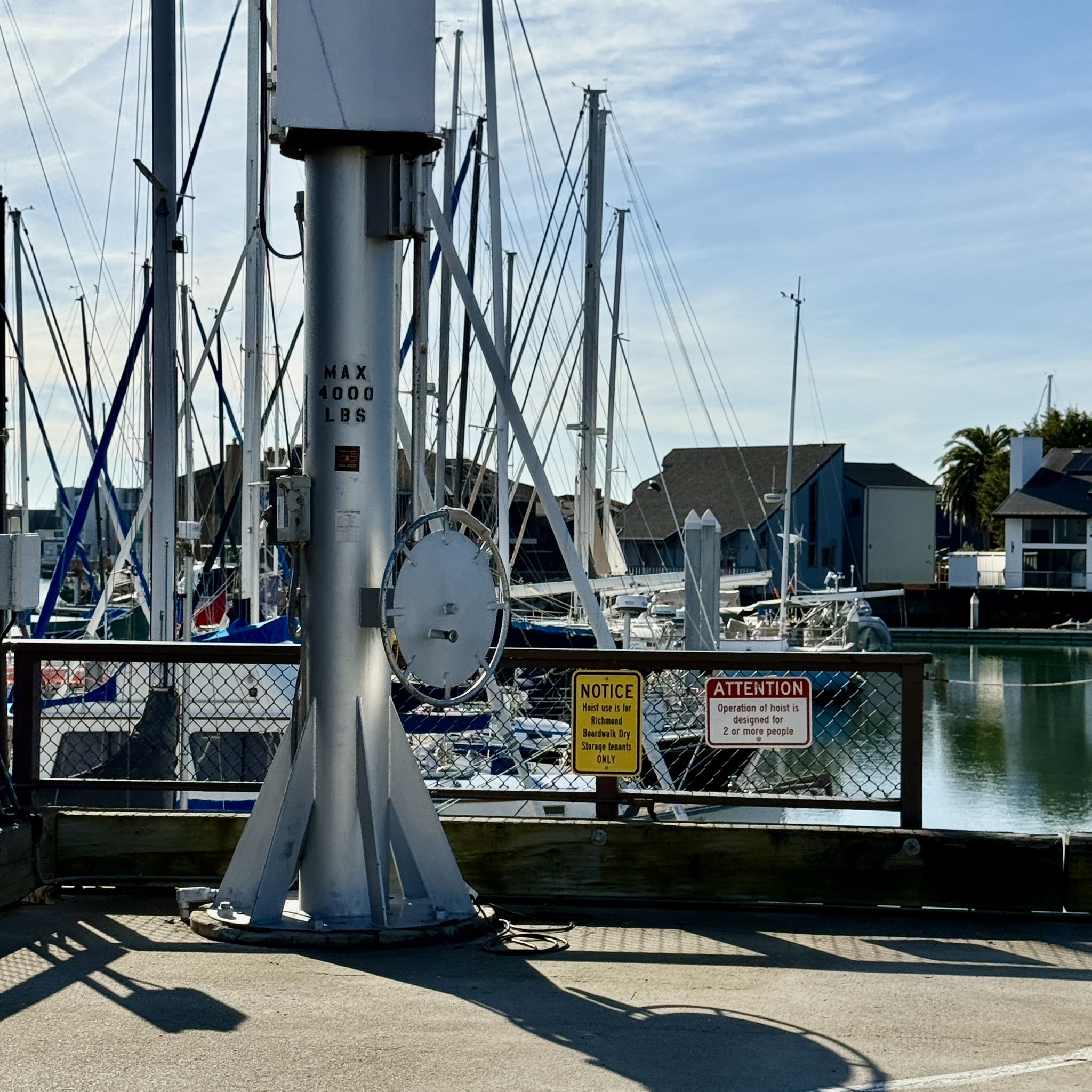
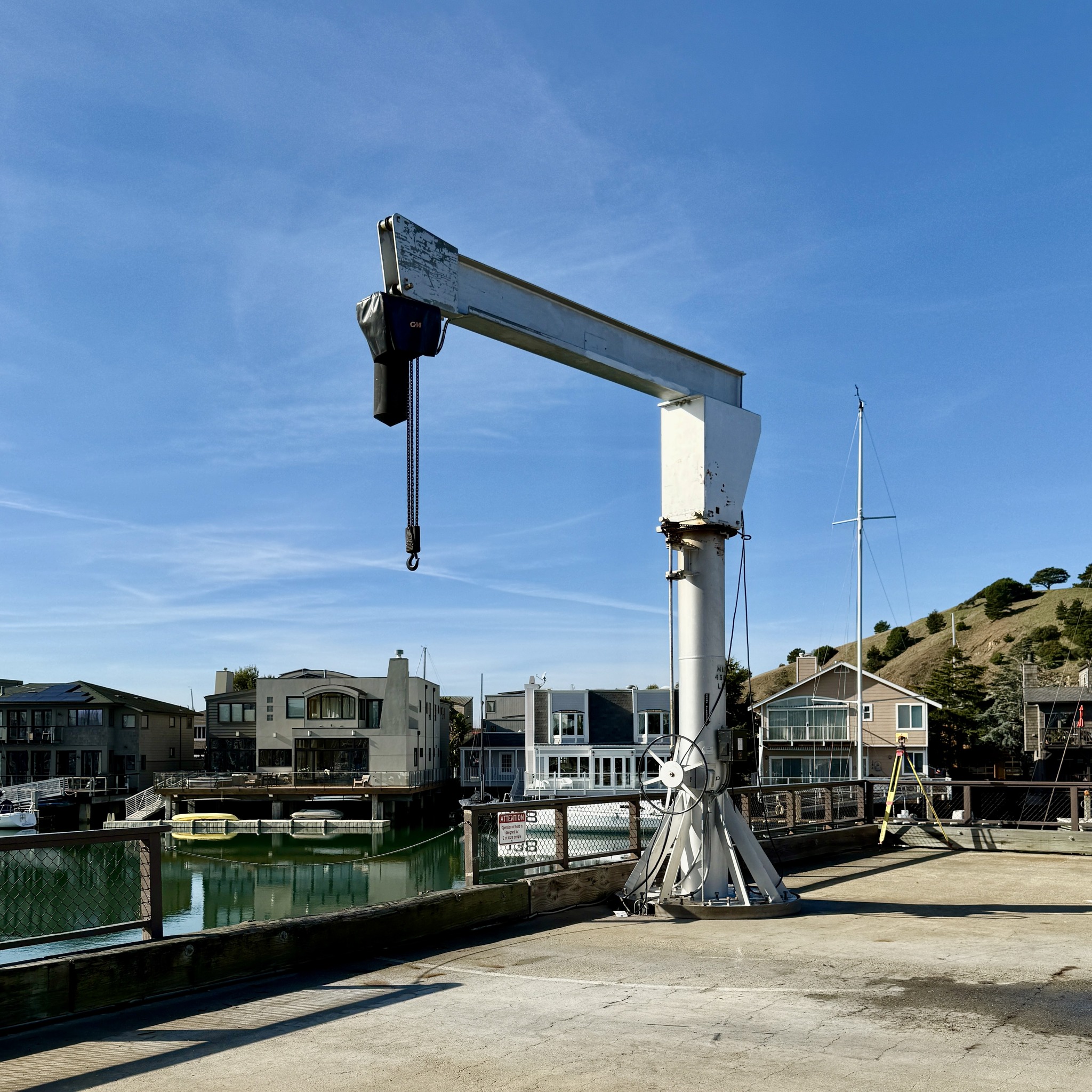
On-site specialists are at our Richmond Marina because someone made a call to keep them here
Brickyard has a rigger, a sailmaker, two brokers, and a canvas maker on site. These aren’t vendors who park in the lot. They’re embedded in the marina, interacting with boaters daily. They know the conditions on this part of the Bay, the boats that dock here, and the work that matters.
That setup didn’t happen by accident. Keeping working specialists on-site requires giving up slip revenue and coordinating ongoing relationships. It’s a choice a marina makes because the people running it understand the value of having a rigger twenty feet from your boat when something needs attention before a race or a tide window closes
The approved contractor list has a reason behind it
Contractors working on boats at Brickyard need to be on the approved list. Some boaters find that annoying until they understand the logic: it’s about protecting marina safety standards and boaters from having unvetted people working on their vessels in a shared space.
Adding a contractor is straightforward — come to the office, do the paperwork. The process exists because the people running this place know what happe
ns when it doesn’t.
Protected Anchorage, Fast Access: Point Richmond is a Strategic Location
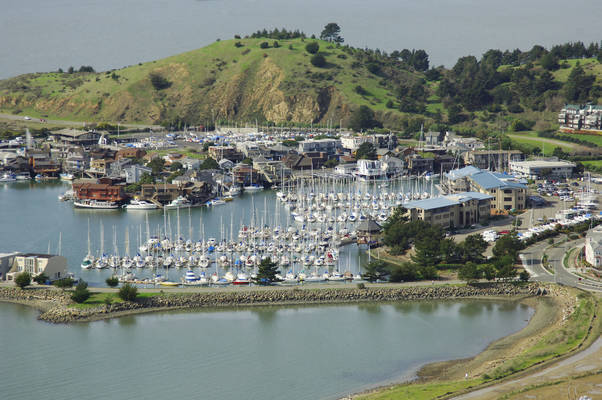
Brickyard Cove is one of the most protected anchorages in the Bay. Tucked in from the currents and chop that make other East Bay marinas harder to manage, the Cove gives boats a calm base with fast access to Raccoon Strait, the Flats, and Angel Island.
A sailor picked this spot.
That also shows up in how the docks are configured — from 28-foot side ties up to 55-foot double-finger slips, with dry storage built for racers and trailer sailors who want self-serve launch flexibility, not boatyard scheduling.
What does “owned by boaters mean when something goes wrong
The 24/7 maintenance and support model at Brickyard exists because boats don’t keep business hours. Pumps fail at 10 pm.
Dock lines chafe through on overnight rides. Having staff available around the clock is expensive to maintain. It’s also the kind of commitment a sailor makes because they’ve been the person standing on a dock at midnight with a problem and no one to call.
This is harder to quantify than amenity lists. But it’s the difference between a marina that runs efficiently and one that’s actually built for the people docked there.